TIME logo
Sign In
My Account
My Account
Digital Magazines
TIME Storefront
Help Center
Sign Out
Subscribe
Subscribe
Sign Up for Our Entertainment Newsletter
Close
My Account
My Account
Digital Magazines
TIME Storefront
Help Center
Sign Out
Sign In
Subscribe
Sections
Home
U.S.
Politics
World
Health
Climate
Future of Work by Charter
Business
Tech
Entertainment
Ideas
Science
History
Sports
Magazine
TIME 2030
Next Generation Leaders
TIME100 Leadership Series
TIME Studios
Video
TIME100 Talks
TIMEPieces
The TIME Vault
TIME for Health
TIME for Kids
TIME Edge
TIME CO2
Red Border: Branded Content by TIME
Coupons
Personal Finance by TIME Stamped
Shopping by TIME Stamped
Join Us
Newsletters
Subscribe
Give a Gift
Shop the TIME Store
TIME Cover Store
Customer Care
US & Canada
Global Help Center
Reach Out
Careers
Press Room
Contact the Editors
Media Kit
Reprints and Permissions
More
About Us
Privacy Policy
Your Privacy Rights
Terms of Use
Modern Slavery Statement
Site Map
Connect with Us
Entertainment
movies
Music
China Seeks to Bring Micro-Dramas Under Tighter Control
By Chad de Guzman
Why Drake Had to Remove Song With AI-Tupac Vocals
By Maya Chung
What TikTok Creators Stand to Lose
By Moises Mendez II
See Zendaya's 2024 Red Carpet Looks
By Cady Lang
More in
Entertainment
Review: Challengers Belongs to the Boys
Luca Guadagnino's sexy tennis drama dispenses with the taboo around acknowledging the sensual appeal of athletes.
By Stephanie Zacharek
April 26, 2024
Breaking Down End of Challengers
The hug makes it clear that two of the three characters are in love—and it’s not the pairing you might expect.
By Eliana Dockterman
April 26, 2024
Celebrities on Harvey Weinstein’s Overturned Rape Conviction
Several TIME100 Gala attendees weighed in on the news that Harvey Weinstein’s 2020 rape conviction in New York was overturned. Here’s what they had to say.
By Cady Lang
April 25, 2024
The Red Carpet at the 2024 TIME100 Gala
This year’s TIME100 Gala began with a number of the night’s biggest stars serving stunning looks, chatting with press, and mingling amongst each other.
By Megan McCluskey
April 25, 2024
Jack Antonoff Got a Lot of Broadway Tips
TIME100 Honoree Jack Antonoff is making his Broadway debut later this year and tapping Florence Welch for help.
By Moises Mendez II
April 25, 2024
Michael J. Fox Accepts Impact Award
Actor and activist Michael J. Fox, known for the 'Back to the Future' movies among many other titles, gave a moving acceptance speech about his experience with Parkinson’s disease.
By Megan McCluskey and Moises Mendez II
April 25, 2024
E. Jean Carroll on Trump's Hush Money Trial
E. Jean Carroll weighed in on Trump's hush money trial and the upcoming presidential election while at the 2024 Time100 Gala.
By Cady Lang
April 25, 2024
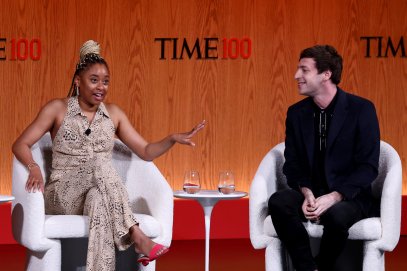
Phoebe Robinson and Alex Edelman on the Power of Comedy
Comedians Phoebe Robinson and Alex Edelman spoke about the power of laughter at the TIME100 Summit
By Julia Zorthian
April 24, 2024
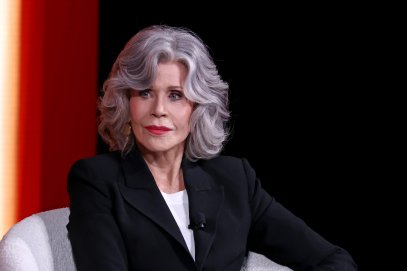
Fonda: Vote for Biden, Not 'Orange Guy'
Biden "provides us a context in which we can fight,” Fonda said at the Time100 Summit.
By Sanya Mansoor
April 24, 2024
Fans Theorize About Surprise Beyoncé Appearance
Beyoncé fans are convinced she will be making a surprise appearance at the country music festival, Stagecoach. Here's what you need to know.
By Moises Mendez II
April 24, 2024
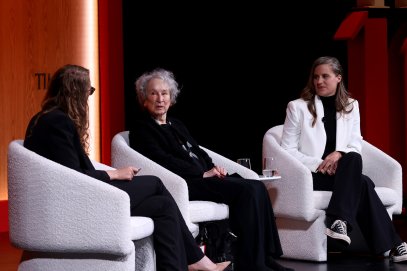
Margaret Atwood and Lauren Groff on Writing
Margaret Atwood and Lauren Groff joined the TIME100 Summit to discuss their approaches to writing
By Julia Zorthian
April 24, 2024
Selena Gomez on Instagram, Rare Beauty
Selena Gomez and Elyse Cohen, Rare Beauty's VP of Social Impact, joined the 2024 TIME100 Summit to discuss the mission-driven beauty line
By Armani Syed
April 24, 2024
Elliot Page on Coming Out as Trans and Finding Hope
Elliot Page discussed his activism, love of writing and future roles at the TIME100 Summit in New York City.
By Armani Syed
April 24, 2024
Anyone But You's Literary Origins
As the rom-com starring Sydney Sweeney and Glen Powell hits Netflix, a look at the classic work of literature that inspired its story and characters.
By Melissa Locker
April 23, 2024
The Story Behind 'Ahead of the Curve'
The documentary Ahead of the Curve, out now on Netflix, tells the story of an iconic lesbian publication and its equally iconic founder
By Lindsay Lee Wallace
April 23, 2024
Megan Thee Stallion Accused of Harassment
A former cameraman for Megan Thee Stallion has accused her of harassment and fostering a hostile work environment in a lawsuit
By Moises Mendez II
April 23, 2024
More from
TIME
More From TIME